
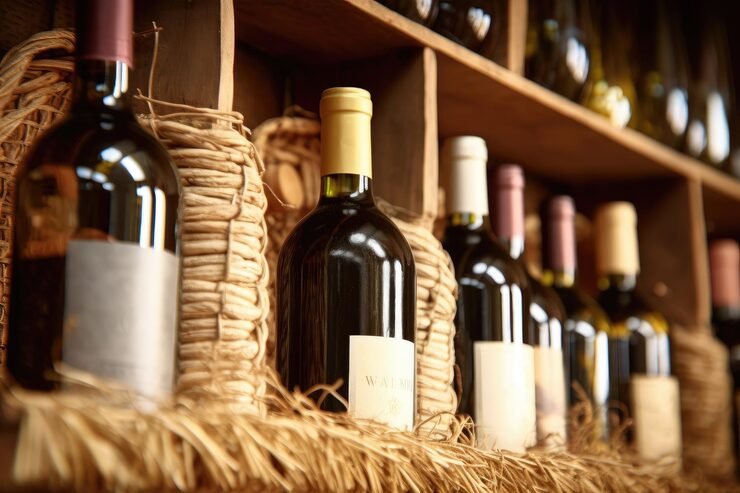
Most wine enthusiasts assume that Cabernet Sauvignon’s bold reputation means it requires elaborate rituals or expensive accessories to truly appreciate. This assumption is wrong. After examining decades of winemaking traditions and tasting methodologies, the reality proves far more straightforward than conventional wisdom suggests.
Temperature precision matters more than you think
The standard advice to serve red wine at “room temperature” originated in European cellars centuries ago. Modern homes run considerably warmer. Cabernet Sauvignon performs best between 60-65°F, not the 72°F of contemporary living spaces.
Serving temperature affects everything. Too warm, and alcohol dominates while tannins turn harsh and unforgiving. Too cold, and the wine’s complexity disappears behind muted flavors that leave you wondering what the fuss was about. Professional sommeliers often chill Cabernet Sauvignon for 15-20 minutes in the refrigerator before service, particularly during summer months when ambient temperatures soar.
Regional differences matter here. Bordeaux blends often shine at the cooler end of the spectrum, while Napa Valley expressions can handle temperatures closer to 65°F without losing their character.
Decanting reveals hidden complexity
Young Cabernet Sauvignon contains compounds that bind together over time, creating what tasters perceive as “tight” or “closed” wines. Decanting accelerates this process by exposing the wine to oxygen, though the timing varies dramatically between producers and vintages in ways that can surprise even experienced drinkers.
Wines under five years old typically benefit from 30-60 minutes of aeration. Older bottles require more careful handling since their delicate structure can fall apart with excessive exposure. Vintages beyond 15 years might need only brief contact to prevent over-oxidation. The wine’s color provides reliable clues: deeper, more opaque wines usually need longer decanting periods.
Quick fixes for casual consumption include aerating devices or simply swirling the wine vigorously in the glass.
Glass shape influences perception
Wine glass design affects how aromatics reach your nose and how liquid hits your palate. Cabernet Sauvignon’s bold profile benefits from larger bowls that concentrate volatile compounds while providing space for swirling, though many people overthink this element of wine service.
Rim width matters too. Broader openings deliver wine to different areas of the tongue, emphasizing fruit characteristics over tannin structure, while narrower rims do the opposite. Understanding these mechanics allows drinkers to adjust their experience based on the specific bottle and personal preferences rather than following someone else’s rigid formula.
Food pairing strategies beyond red meat
The reflexive pairing of Cabernet Sauvignon with steak oversimplifies this varietal’s versatility. While protein and tannins do complement each other, the wine’s acidity and fruit characteristics open broader possibilities.
Hard cheeses like aged cheddar or Parmigiano-Reggiano create compelling combinations where the salt content balances the wine’s intensity while the cheese’s richness softens perceived tannins. Dark chocolate works similarly, particularly with Cabernets showing cassis or blackberry notes, though this pairing requires wines with sufficient fruit concentration to avoid bitterness.
Vegetarian options include mushroom-based dishes, eggplant preparations, and anything featuring roasted root vegetables. The key lies in matching intensity levels rather than following rigid protein rules that ignore how flavors actually interact on the palate. When exploring different expressions, some of the best Cabernet Sauvignon wines demonstrate remarkable food-pairing flexibility that challenges conventional assumptions.
Timing consumption for optimal enjoyment
Cabernet Sauvignon’s reputation for longevity creates pressure to cellar bottles indefinitely. Yet many wines reach their peak within 3-7 years of release, particularly those from warmer climates or modern winemaking techniques that prioritize immediate accessibility over aging potential.
Producers increasingly craft Cabernets for earlier consumption, using gentler tannin extraction and shorter oak aging periods that result in wines showing better fruit expression when young rather than after extended cellaring. Reading producer notes and professional reviews helps identify wines designed for immediate versus long-term enjoyment, though marketing often obscures these distinctions. Storage conditions matter more than age alone.
Regional expressions require different approaches
Cabernet Sauvignon adapts to terroir in distinct ways that influence optimal consumption strategies. Bordeaux expressions often need time to integrate their multiple grape varieties, while single-varietal Napa Cabernets might show best with minimal intervention.
Australian Cabernets from Coonawarra display eucalyptus notes that pair surprisingly well with herb-crusted preparations, though this characteristic can overwhelm delicate dishes. Chilean versions from Maipo Valley often feature green pepper characteristics that complement spiced dishes but clash with subtle preparations. Understanding these regional signatures helps tailor serving approaches to specific bottles rather than applying universal rules that ignore what’s actually in the glass.
The most rewarding approach combines technical knowledge with personal experimentation, since individual palates vary significantly in their sensitivity to tannins, acidity, and oak influence. Trust your own preferences over received wisdom.