
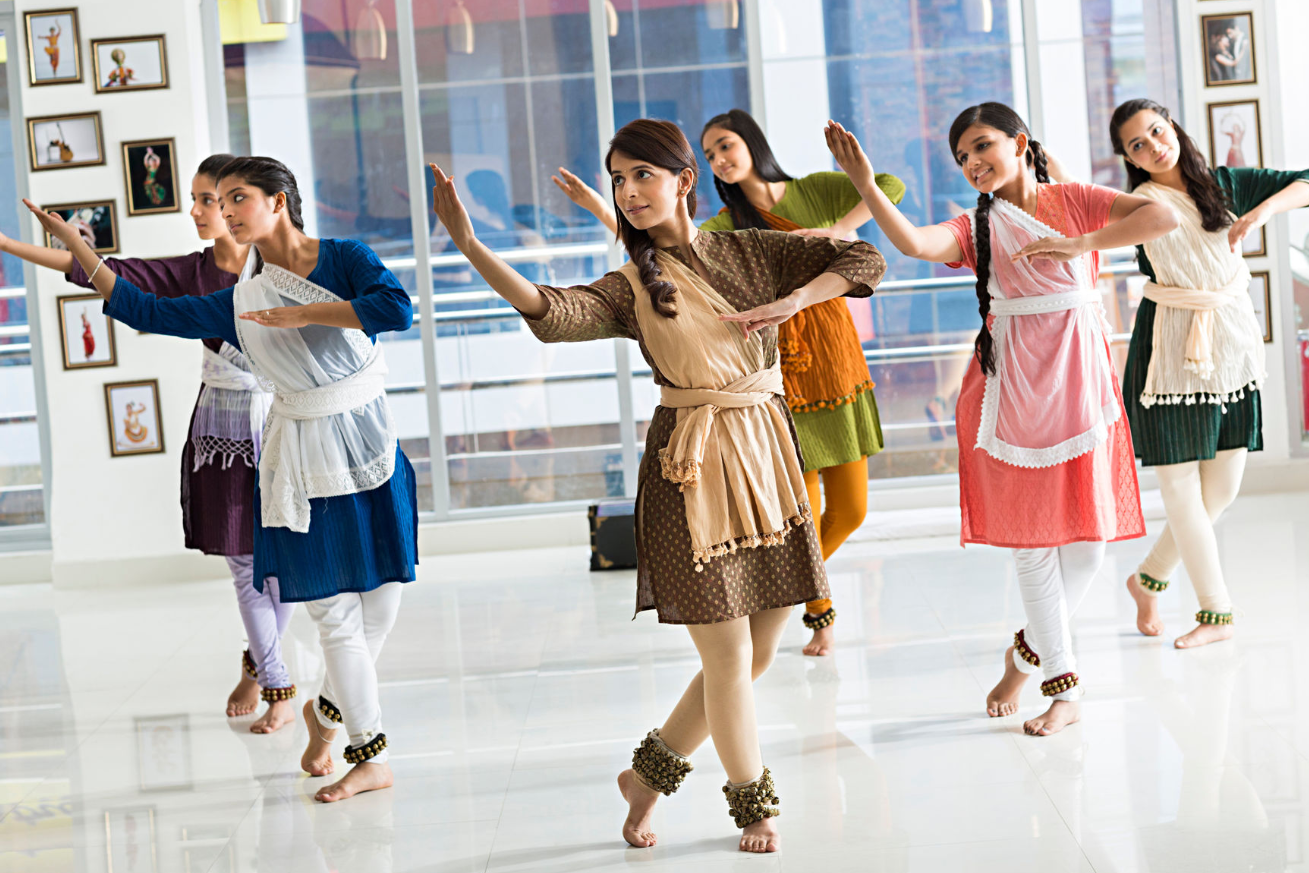
The beginning looks exciting, but once you’re faced with location, cost, and registration together, things get complicated. Many people are looking for ways to start a dance academy in India, yet the statistics online often feel scattered or overly polished. The real work is dealing with discriminatory problems that do not appear in publications at all. Before training begins, you’ll address rent, sound installation, or even flooring problems. These small things shape the whole experience more than big ideas usually do.
Space selection is not just about size alone
Choosing an area for a small dance studio setup India requires more questions than just finding an empty hall. Ventilation, flooring types and noise levels directly affect the text. A reasonably priced neighbor will likely look good in the beginning, but create issues throughout the regular session later on. Accessibility is additionally important due to students deciding which places are clean to get to without fuss. Parking or proximity to transportation quietly affects choice more than expected.
Initial investment varies depending on priorities
People entering the dance studio business in India often try to either overspend or cut too many corners early. Basic mirrors, speakers, and proper flooring are necessary for smooth functioning. The fancy interiors can wait until the student base becomes a stable one. Spending wisely will help you stay away from financial stress in the early months. Many new studios are no longer struggling due to low demand, but because the costs weren’t properly intentional.
Legal and registration steps should not be ignored
With knowledge of how to start dance academy in India, setting up a jail in the beginning is often delayed or avoided. Basic registrations, local permissions, and GST considerations depend on the scale of operation. Ignoring these steps can also create problems when meeting or formally extending payments later. It is better to have files prepared nicely from the beginning instead of troubleshooting under pressure later. Simple monitoring ultimately keeps operations running smoothly.
Class structure affects retention more than marketing
A small dance studio setup in India should focus on batch planning and teaching consistency instead of only promotions. Irregular timings or unclear levels confuse students quickly. Structured lessons with clean progression help students survive longer and continue to grow. Retention is more necessary than standard new designations due to the fact that consistency builds recognition over the years. Poor planning inside the studio often affects growth outside as well.
Pricing should feel clear and easy to understand
In the dance studio business in India, confusing fee structures often create hesitation during enrollment discussions. Simple pricing works better than complicated packages with too many conditions. Parents and students prefer clarity over discounts that come with restrictions. When fees are easy to explain, decisions become quicker and smoother. Transparency avoids repeated questions and reduces negotiation pressure during conversations.
Promotion works better when it feels consistent
While figuring out how to start a dance academy in India, many focus too much on one-time promotions instead of regular visibility. Posting consistently, conducting demo classes, and participating in local events help more in the long run. Random efforts rarely create steady results. Your presence should be consistent, so people don’t forget about your studio. Consistency builds unity slowly but thoroughly.
Managing operations becomes important as students grow
As the numbers grow, it becomes difficult to complete the whole issue manually without a proper system in place. Small dance studio setup India also benefits from basic control over attendance and fees. Scheduled monitoring can avoid confusion during a busy period. Without structures, small defects begin to grow and create unnecessary pressure. Managing handling nicely, cognition can replace constant improvement with enjoyable practice.
Conclusion
Starting a studio requires more rational thinking than excitement on my own. Understanding how to start a dance academy in India requires a careful balance of location, cost, and structure from the outset. A stable dance studio business in India thrives when operations remain simple and consistent over the years. Small dance studio setups can also do India well if the choices are based entirely on everyday usability instead of perceptions. Focus on creating clear equipment, handling fees wisely and having a stable teaching staff. Before you start, review the plan carefully and take the pace step by step. Start your journey with a setup that supports normal boom and prudent management today.