
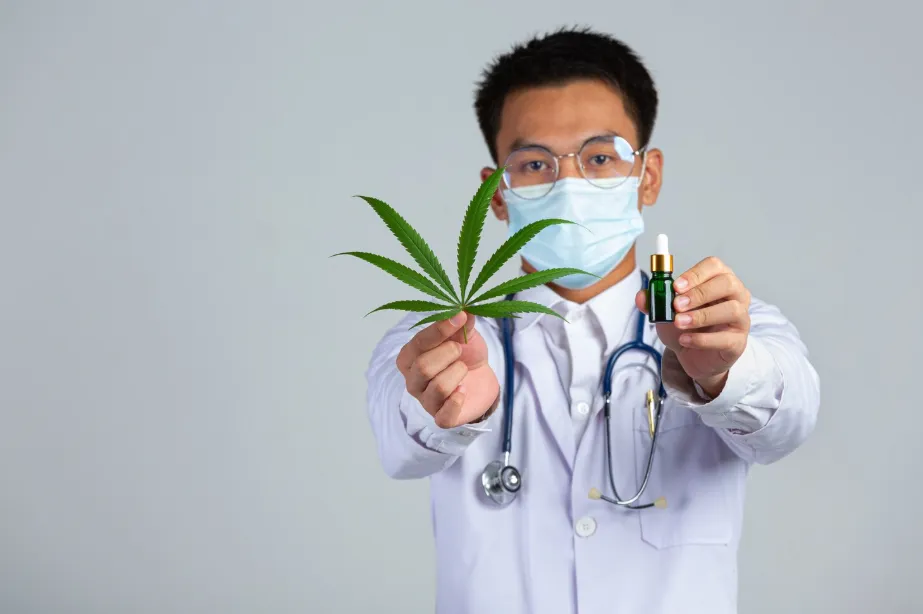
Hemp products have become increasingly popular across the United States, appearing in everything from nutritional supplements and hemp gummies to hemp flower, skincare products, and sustainable foods. As consumer interest continues to grow, many people are asking an important question: Are hemp products safe?
The answer depends on several factors, including the type of hemp product, its ingredients, manufacturing quality, and how it is used. While hemp has a long history of agricultural and commercial use, modern consumers should understand the importance of product quality, third-party testing, and responsible purchasing decisions. Reputable retailers such as Alt Super Store emphasize transparency and product selection, making it easier for consumers to evaluate hemp-derived products before purchasing.
In this guide, we’ll examine what research says about hemp product safety, the factors that influence product quality, and how consumers can make informed choices when shopping for hemp-derived products.
What Are Hemp Products?
Hemp products are items made from industrial hemp, a variety of the Cannabis sativa plant that contains no more than 0.3% Delta-9 THC on a dry-weight basis under federal law.
Common hemp products include:
- Hemp flower
- Hemp gummies
- Hemp oils
- Hemp capsules
- Hemp topicals
- Hemp seeds
- Hemp protein powder
- Hemp seed oil
- Hemp skincare products
Because hemp can be processed into a wide range of consumer goods, product quality and safety standards can vary between manufacturers.
Understanding Hemp Safety
When discussing safety, it’s important to separate the hemp plant itself from the quality of specific products.
Most safety concerns relate to:
- Product manufacturing
- Ingredient quality
- Contamination risks
- Label accuracy
- Regulatory compliance
In other words, the safety of a hemp product often depends more on how it was produced than on the hemp plant itself.
What Research Says About Hemp
Research into hemp and hemp-derived products continues to expand.
Scientists have studied hemp for:
- Nutritional applications
- Agricultural uses
- Industrial applications
- Cannabinoid content
- Consumer product development
Hemp seeds and hemp seed oil, for example, are widely recognized as sources of protein, healthy fats, vitamins, and minerals.
Researchers continue to investigate the properties of cannabinoids and other naturally occurring compounds found in hemp.
Because scientific understanding is constantly evolving, consumers should rely on reputable sources and avoid exaggerated claims regarding any hemp-derived product.
Factors That Influence Hemp Product Safety
Several factors play a major role in determining whether a hemp product meets quality and safety expectations.
1. Hemp Source
The quality of hemp begins at the farm level.
Responsible growers often focus on:
- Soil quality
- Agricultural best practices
- Crop monitoring
- Proper harvesting procedures
The quality of raw hemp material can directly influence the final product.
2. Manufacturing Standards
Reputable manufacturers follow strict production procedures to support consistency and quality.
These may include:
- Quality control systems
- Ingredient verification
- Batch tracking
- Facility cleanliness
- Good Manufacturing Practices (GMP)
Strong manufacturing standards help reduce the risk of product inconsistencies.
3. Third-Party Testing
One of the most important safety indicators is independent laboratory testing.
Third-party testing helps verify:
- Cannabinoid content
- THC compliance
- Product purity
- Label accuracy
Consumers should prioritize products that provide accessible laboratory reports.
4. Ingredient Transparency
Trustworthy brands clearly disclose:
- Ingredients
- Product contents
- Serving information
- Manufacturing details
Transparent labeling helps consumers understand exactly what they are purchasing.
Potential Contaminants to Watch For
Like many agricultural products, hemp can be affected by environmental factors if quality controls are not maintained.
Potential concerns may include:
Heavy Metals
Hemp is known for its ability to absorb substances from soil.
For this reason, quality testing often includes screening for heavy metals.
Pesticides
Responsible cultivation practices and testing help reduce concerns related to pesticide residues.
Microbial Contaminants
Testing may screen for:
- Mold
- Yeast
- Bacteria
Proper harvesting, drying, and storage help minimize microbial risks.
Residual Solvents
Certain extraction methods may involve solvents.
Quality manufacturers typically conduct testing to verify compliance with safety standards.
Why Third-Party Testing Matters
Independent laboratory testing remains one of the most valuable tools for evaluating hemp product safety.
What Is a Certificate of Analysis (COA)?
A Certificate of Analysis (COA) is a laboratory report that provides detailed information about a product.
A COA may include:
Cannabinoid Profile
Shows levels of:
- CBD
- CBG
- CBC
- THC
- Other cannabinoids
Purity Testing
Screens for:
- Heavy metals
- Pesticides
- Microbial contaminants
Product Verification
Confirms that the product matches its label claims.
Consumers should always review available COAs before purchasing hemp products.
Are Hemp Foods Safe?
Hemp foods have become increasingly popular among health-conscious consumers.
Examples include:
- Hemp seeds
- Hemp hearts
- Hemp protein powder
- Hemp seed oil
- Hemp milk
These products are widely used in everyday diets and are valued for their nutritional content.
As with any food product, consumers should purchase from reputable brands that follow proper manufacturing and food safety practices.
Are Hemp Skincare Products Safe?
Hemp-based skincare products are commonly found in:
- Moisturizers
- Lotions
- Serums
- Balms
- Cleansers
Product safety depends largely on:
- Ingredient quality
- Formulation standards
- Manufacturing practices
Consumers should review ingredient lists and choose products from reputable companies.
Common Misconceptions About Hemp Safety
Misconception 1: All Hemp Products Are the Same
In reality, product quality can vary significantly between brands.
Misconception 2: Expensive Products Are Always Better
Price does not automatically indicate quality.
Consumers should evaluate:
- Testing
- Transparency
- Ingredients
- Reputation
Misconception 3: Product Labels Tell the Whole Story
Laboratory testing provides more reliable information than marketing claims alone.
How to Choose Safe Hemp Products
Consumers can take several steps to improve their purchasing decisions.
Check for Third-Party Testing
Always look for accessible laboratory reports.
Review the Ingredient List
Choose products with transparent labeling.
Research the Brand
Look for:
- Company history
- Customer reviews
- Manufacturing practices
- Educational resources
Verify Product Information
Quality brands typically provide:
- COAs
- Batch numbers
- Product specifications
Avoid Unrealistic Claims
Be cautious of products that make exaggerated promises or unsupported health claims.
Frequently Asked Questions
Are Hemp Products Generally Safe?
Product safety depends on quality, manufacturing standards, ingredient transparency, and independent testing.
How Can I Verify Hemp Product Quality?
Review Certificates of Analysis, ingredient lists, and third-party testing information.
Why Is Third-Party Testing Important?
Testing helps verify product contents, purity, and compliance with quality standards.
Are Hemp Foods Safe to Eat?
Hemp foods such as hemp seeds and hemp seed oil are commonly consumed and valued for their nutritional content when purchased from reputable sources.
What Is the Biggest Safety Factor When Buying Hemp Products?
Transparency and independent laboratory testing are among the most important indicators of product quality and safety.
What Research Suggests About Consumer Confidence
Research and industry standards increasingly emphasize:
- Product transparency
- Accurate labeling
- Independent testing
- Manufacturing quality
As the hemp industry matures, these practices continue to improve consumer confidence and product reliability.
Consumers who prioritize tested, transparent, and well-manufactured products are generally better positioned to make informed purchasing decisions.
Final Thoughts
So, are hemp products safe?
The available research and industry standards suggest that product quality, transparency, and manufacturing practices play a critical role in determining safety. Hemp itself has been used for centuries in food, textiles, and industrial applications, but modern consumers should still evaluate products carefully.
By choosing reputable brands, reviewing Certificates of Analysis, verifying third-party testing, and paying attention to ingredient quality, consumers can confidently navigate the growing hemp marketplace.
As scientific research continues and industry standards evolve, transparency and quality assurance will remain essential factors in ensuring that hemp products meet consumer expectations for safety and reliability.
