
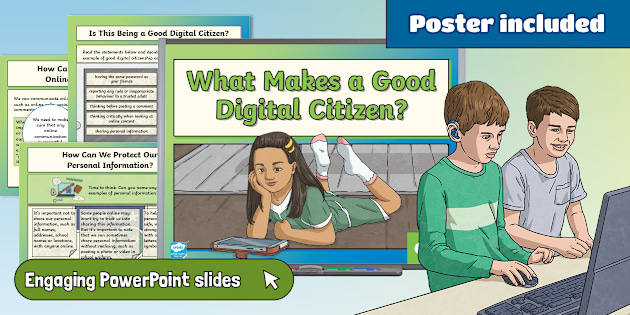
Digital entertainment has transformed the way people relax, learn, and connect with others. From streaming movies and listening to music to playing online games and joining virtual communities, the internet offers endless opportunities for enjoyment. However, as digital luxury12 experiences become a larger part of everyday life, it is increasingly important to understand how to stay safe, protect personal information, and maintain healthy online habits.
This guide is designed for beginners who want to enjoy digital entertainment responsibly while minimizing risks. Whether you’re exploring online games, social platforms, or streaming services, following a few practical guidelines can make your online experience both enjoyable and secure.
Understanding Digital Entertainment
Digital entertainment refers to any form of entertainment delivered through electronic devices connected to the internet or stored digitally. Popular forms include:
-
Video streaming platforms
-
Music streaming services
-
Online gaming
-
Educational apps
-
Social media
-
Virtual events
-
Digital books and magazines
-
Interactive experiences
These platforms provide convenience and accessibility, allowing users to enjoy content anytime and anywhere.
Choose Trusted Platforms
One of the most important steps toward online safety is selecting reputable platforms. Well-established websites and applications typically invest in stronger security measures, privacy protections, and customer support.
Before creating an account:
-
Read user reviews.
-
Verify that the website uses HTTPS encryption.
-
Review the privacy policy.
-
Check whether the company provides customer support.
-
Download apps only from official app stores.
Using trusted services significantly reduces the chances of encountering scams or malicious software.
Create Strong Passwords
Weak passwords remain one of the biggest security risks online.
A strong password should:
-
Contain at least 12 characters.
-
Include uppercase and lowercase letters.
-
Include numbers.
-
Include special symbols.
-
Be unique for every account.
Password managers can securely store complex passwords, making it easier to maintain strong account security without memorizing every login.
Enable Two-Factor Authentication
Two-factor authentication (2FA) adds another layer of protection to your accounts.
After entering your password, you’ll verify your identity using:
-
A mobile authentication app
-
A text message code
-
A hardware security key
Even if someone discovers your password, they won’t easily gain access without the second verification step.
Protect Your Personal Information
Many online platforms request personal details during registration. Share only the information that is absolutely necessary.
Avoid publicly sharing:
-
Home address
-
Phone number
-
Financial information
-
Government identification numbers
-
Daily routines
-
Sensitive family information
The less personal information available online, the lower the risk of identity theft or fraud.
Be Careful with Public Wi-Fi
Public Wi-Fi networks can expose users to cyber threats if used carelessly.
When using public internet:
-
Avoid logging into financial accounts.
-
Don’t enter payment information.
-
Use a Virtual Private Network (VPN).
-
Log out after finishing.
-
Disable automatic Wi-Fi connections.
These precautions help protect your information from unauthorized access.
Recognize Online Scams
Scammers often target users through fake promotions, phishing emails, and deceptive advertisements.
Common warning signs include:
-
Offers that seem too good to be true
-
Requests for passwords
-
Unexpected prize notifications
-
Urgent payment demands
-
Suspicious email attachments
-
Poor spelling and grammar
Whenever you receive unexpected messages, verify them through official sources before responding.
Manage Your Screen Time
Responsible digital entertainment also involves maintaining balance.
Consider these healthy habits:
-
Schedule regular breaks.
-
Avoid excessive late-night screen use.
-
Spend time outdoors.
-
Exercise regularly.
-
Maintain hobbies away from devices.
-
Prioritize family and social interactions.
Balanced usage contributes to both physical and mental well-being.
Monitor Spending
Many digital entertainment platforms include optional purchases.
Before making purchases:
-
Set a monthly budget.
-
Avoid impulsive buying.
-
Review subscription costs regularly.
-
Monitor transaction history.
-
Disable one-click purchases if necessary.
Budgeting helps prevent unnecessary financial stress.
Keep Software Updated
Software updates often include important security improvements.
Always update:
-
Operating systems
-
Browsers
-
Mobile apps
-
Antivirus software
-
Gaming platforms
Automatic updates can simplify this process while ensuring better protection.
Use Secure Payment Methods
Whenever making online purchases, choose secure payment methods offered by reputable providers.
Good practices include:
-
Reviewing transactions regularly.
-
Using virtual cards when available.
-
Never sharing banking passwords.
-
Avoiding direct transfers to unknown individuals.
Secure payment practices reduce financial risks.
Respect Digital Etiquette
Being responsible online means treating others with respect.
Positive digital behavior includes:
-
Avoiding harassment.
-
Respecting differing opinions.
-
Reporting abusive behavior.
-
Following community guidelines.
-
Thinking before posting.
Healthy online communities benefit everyone.
Understand Privacy Settings
Most entertainment platforms allow users to customize privacy settings.
Review settings to control:
-
Profile visibility
-
Friend requests
-
Content sharing
-
Location access
-
Advertising preferences
Checking these settings periodically helps maintain better control over your digital footprint.
Parents Should Guide Younger Users
Children benefit from parental involvement when exploring digital entertainment.
Parents can:
-
Set age-appropriate restrictions.
-
Use parental controls.
-
Discuss online safety.
-
Encourage open communication.
-
Monitor screen time responsibly.
Education is often more effective than strict restrictions alone.
Backup Important Data
Unexpected device failures or cyberattacks can result in lost information.
Regularly back up:
-
Photos
-
Documents
-
Videos
-
Game saves
-
Personal files
Cloud storage combined with external backups provides additional protection.
Learn to Spot Fake Information
Not everything online is accurate.
Before believing or sharing information:
-
Verify multiple sources.
-
Check publication dates.
-
Look for credible authors.
-
Avoid sensational headlines.
-
Think critically before reposting.
Digital literacy helps users make informed decisions.
Know When to Take a Break
Entertainment should enhance life, not interfere with responsibilities.
Signs that a break may be needed include:
-
Constant fatigue
-
Ignoring responsibilities
-
Reduced productivity
-
Increased stress
-
Difficulty sleeping
-
Loss of interest in offline activities
Taking regular breaks supports healthier long-term habits.
Build Positive Digital Habits
Responsible online entertainment is built through consistent daily habits.
Simple routines include:
-
Locking devices.
-
Logging out of shared computers.
-
Reviewing account activity.
-
Updating passwords periodically.
-
Reading platform safety guidelines.
-
Staying informed about new cybersecurity threats.
Small actions performed consistently create strong digital security over time.
Conclusion
Digital entertainment offers incredible opportunities for learning, creativity, relaxation, and social connection. By choosing trusted platforms, protecting personal information, managing screen time, practicing financial responsibility, and staying alert to online threats, beginners can enjoy the digital world with confidence.
Responsible digital habits not only improve security but also contribute to a healthier and more enjoyable online experience. As technology continues to evolve, maintaining awareness and following basic safety practices will help users make the most of digital entertainment while protecting both their privacy and well-being.