
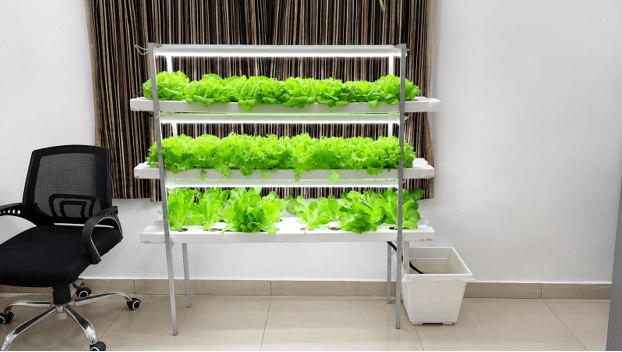
Moving a nursery-raised clone into a hydroponic setup is not simply a matter of placing roots into water and adding nutrients. The plant is leaving one environment, rooting medium, and care routine for another. A successful transition depends on preparation, gentle handling, stable conditions, and close observation during the first several days. The goal is to help the clone adapt without unnecessary root stress or sudden environmental changes.
Choose a System That Matches Your Experience
Different hydroponic systems demand different levels of attention. Deep-water culture can be straightforward, but it still requires reliable aeration and frequent monitoring. Recirculating and media-based systems can offer greater control, but they also create more points where pumps or fittings can fail.
The best system is the one the grower can inspect, clean, understand, and repair. Before adding a plant, the grower should know how water moves, how oxygen reaches the roots, and what will happen if circulation stops.
Ask How the Clone Was Rooted
The rooting medium affects how easily a clone can move into hydroponics. A plant established in a rockwool cube or propagation plug may transfer with limited disturbance. A clone rooted in soil or dense organic material may require more caution because excessive washing can damage young roots.
A reputable Cannabis Nursery should explain the rooting medium, recent watering routine, and general feeding approach used before fulfillment. This information helps the buyer prepare a compatible system and avoid abrupt changes.
Clean and Test the Equipment First
The system should be assembled, cleaned, and tested before the clone arrives. Reservoirs, pumps, tubing, air stones, trays, drains, and fittings should be checked for leaks, blockages, or weak circulation. Running the setup with plain water reveals problems before a living plant is added.
Meters should also be cleaned and calibrated according to their instructions. A faulty meter can create unnecessary corrections. Electrical connections should remain protected from splashes and standing water.
Prepare the Water Before Feeding
Water quality should be reviewed before any nutrient program begins. Tap water may contain dissolved minerals, while filtered water may contain very little. Starting pH and conductivity readings provide a useful baseline and help explain later reservoir changes.
The phrase hydroponic nutrients weed may appear in product searches, but a suitable program should be chosen according to the water source, system type, plant stage, and manufacturer’s instructions. A complete base formula is generally easier to manage than several unrelated products. Each component should be added separately in the recommended order.
Begin with a Conservative Solution
A recently transferred clone may not use a strong solution efficiently. Its first task is to settle into the new environment and extend healthy roots. Starting conservatively reduces the risk of salt stress or leaf symptoms caused by an abrupt increase in concentration.
The grower should avoid treating a published number as a universal target. Different products, meters, systems, and water sources can produce different readings. Product guidance, plant response, and root condition should be considered together.
Handle the Roots Gently
The clone should be moved with as little root disturbance as possible. The rooting plug or cube should remain supported, and the plant should be positioned so the roots can reach moisture without leaving the stem constantly wet. If baskets or inert media are used, the plant should be stabilized without compressing the root zone.
Roots should not be pulled, scrubbed, or exposed for longer than necessary. Rough handling can delay establishment and create symptoms that are later mistaken for nutrient problems.
Acclimate Light and Airflow Gradually
Nursery conditions may be milder than the final growing environment. A clone moved directly under intense lighting or strong airflow may droop, curl, or bleach even when the reservoir is prepared correctly. Light intensity should be increased gradually while the grower watches leaf posture and new growth.
Air movement should support circulation without constantly bending the plant. Temperature and humidity should remain stable. Changing light, feeding, airflow, and humidity aggressively at the same time makes stress difficult to diagnose.
Watch Oxygen and Water Temperature
Hydroponic roots depend on adequate oxygen. Pumps and air stones should operate consistently, and any change in sound or flow should be investigated. Poor aeration can slow root development and create symptoms that resemble nutrient deficiency.
Water temperature should remain stable within the range recommended for the system. Warm water generally holds less dissolved oxygen, while sudden changes can affect root activity. The focus should be stability, circulation, and healthy root appearance.
Create a Daily Monitoring Routine
The first days after transfer deserve regular observation. A simple routine can include checking water level, pH, conductivity, temperature, pump operation, roots, and leaf condition. Short written notes make small changes easier to identify.
Healthy adaptation may include gradual root extension and stable new growth. Warning signs can include unpleasant reservoir odor, dark roots, severe wilting, or rapid discoloration. The whole system should be reviewed before assuming that more nutrients are needed.
Prepare for Mechanical Failure
Hydroponic systems rely on equipment, so backup planning is part of plant care. The grower should know how to respond to a power cut, failed air pump, blocked line, leaking fitting, or sudden temperature problem. Spare tubing, connectors, air stones, and a backup pump can prevent a small fault from becoming a major loss.
Emergency steps should be written down before they are needed.
Review the Transition Before Scaling Up
A first hydroponic transfer can be treated as a trial. The grower can compare the plant’s condition at arrival with its response after several days and note which parts of the setup required adjustment. Keeping the plant label, seller guidance, photographs, and reservoir records together creates a useful reference.
If problems appear, the records help separate supplier-related concerns from issues caused by water, equipment, light, or handling.
Conclusion
Moving a nursery-raised clone into hydroponics works best when the process is prepared rather than rushed. A suitable system, clean equipment, compatible rooting medium, stable water, conservative feeding, gentle handling, and gradual acclimation all reduce avoidable stress.
The strongest results come from consistent monitoring rather than aggressive intervention. By testing the system before arrival, protecting the roots, watching reservoir behavior, and preparing for equipment failure, growers can create a stable transition and a process that becomes easier to repeat with each future plant.
