
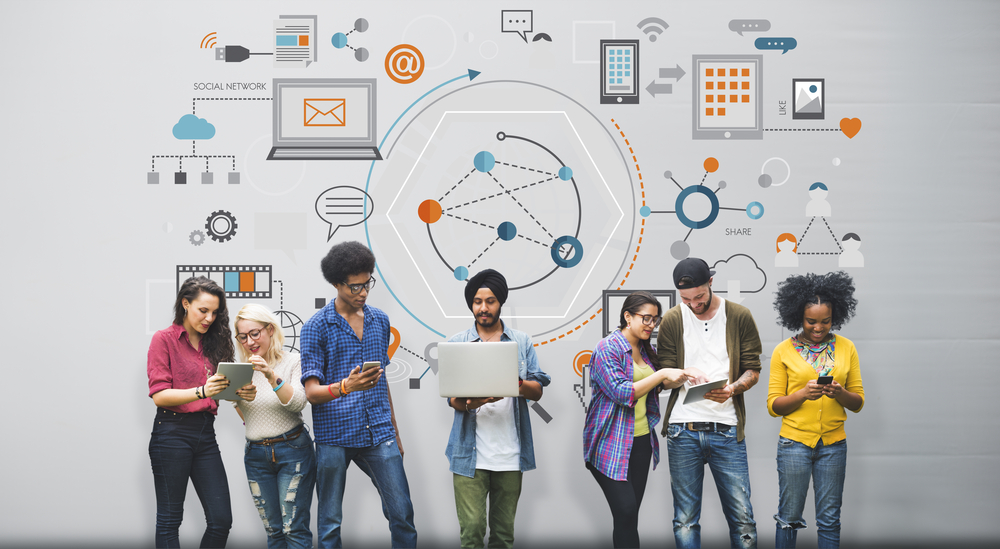
Technology has become part of almost everything we do. From the moment we wake up and check our phones to the way we work, shop, communicate and travel, digital tools now shape many of our everyday routines.
Some changes have been dramatic, while others have happened so gradually that we barely notice them. Either way, technology continues to make everyday life faster, more connected and, in many cases, more convenient.
Technology Has Changed Everyday Life
One of the biggest changes has been the way we access information.
Years ago, finding an answer often meant visiting a library, making a phone call or asking someone with specialist knowledge. Today, people can find information in seconds using a smartphone or computer.
This has changed the way we shop as well. Consumers can now compare prices, read reviews and research products before making a decision. Someone looking for a specific item can search online, compare different options and Find Pixl 8000 Refill Pods or other products without needing to visit several physical stores.
This level of convenience has changed customer expectations. People increasingly want quick access to information, straightforward ordering and reliable delivery options.
Work Has Become More Flexible
Technology has also transformed the workplace.
Video calls, cloud storage and online collaboration tools have made it possible for many people to work from almost anywhere. Teams no longer need to be in the same office, or even the same country, to work together effectively.
Remote and hybrid working have become common in many industries. Employees can access documents, attend meetings and communicate with colleagues using laptops, tablets and smartphones.
For businesses, this flexibility can provide access to a wider pool of talent. For workers, it can reduce commuting time and provide more control over how they organise their day.
However, this flexibility also creates new challenges. When work is always accessible through a phone or laptop, it can become difficult to switch off. Setting clear boundaries between work and personal time is becoming increasingly important.
Communication Is Faster Than Ever
The way we communicate has changed dramatically.
Messages that once took days to arrive can now be delivered instantly. Video calling allows families, friends and colleagues to speak face-to-face even when they are thousands of miles apart.
Social media has also changed how people share experiences, discover news and stay connected with others.
For businesses, communication technology has made customer service faster. Live chat, email and social platforms allow companies to respond to questions and solve problems more quickly.
At the same time, being constantly connected can sometimes feel overwhelming. Many people are becoming more selective about when and how they use digital communication.
Travel Has Become Easier to Plan
Technology has had a major impact on travel.
Planning a journey once required travel agents, printed maps and guidebooks. Today, almost every part of a trip can be organised from a smartphone.
Travellers can compare flights, reserve hotels, book restaurants and purchase tickets online. Navigation apps provide live directions, while translation tools can help people communicate when visiting another country.
Digital boarding passes and contactless payments have also simplified the travel experience.
Even once travellers reach their destination, technology continues to help. Reviews can highlight popular restaurants, mapping apps can suggest nearby attractions and transport apps can provide live information about buses or trains.
Smart Technology Is Changing the Home
Technology is also becoming more common inside our homes.
Smart speakers, connected lighting, security cameras and heating systems can all be controlled using smartphones or voice commands.
These devices are designed to make everyday routines simpler. A smart thermostat can help control heating more efficiently, while connected security systems allow homeowners to check their property when they are away.
Home entertainment has changed as well. Streaming services have replaced traditional television schedules for many people, allowing viewers to choose what they want to watch and when they want to watch it.
Shopping Is Becoming More Personalised
Online shopping has developed rapidly over the last decade.
Retailers now use technology to make websites easier to navigate and help customers find relevant products. Search functions, personalised recommendations and customer reviews can all make the buying process more straightforward.
Mobile payments have also made transactions faster. Many people can now complete purchases using a smartphone without entering card details every time.
However, convenience should not replace careful decision-making. Consumers still benefit from checking product information, comparing options and buying from reputable retailers.
Technology Is Changing Transportation
Transportation is another area experiencing rapid change.
Electric vehicles are becoming increasingly common, while navigation systems can analyse traffic conditions and recommend quicker routes.
Public transport is becoming more digital too. Many cities now allow passengers to use contactless cards or smartphones instead of purchasing traditional paper tickets.
Technology is also helping transport companies improve efficiency by tracking vehicles, analysing travel patterns and providing passengers with real-time updates.
Finding the Right Balance
Technology offers enormous benefits, but using it effectively requires balance.
Constant notifications, emails and social media updates can make it difficult to disconnect. Setting boundaries, taking regular breaks from screens and being selective about which digital tools you use can help prevent technology from becoming overwhelming.
The goal should not be to use technology at every possible opportunity. Instead, it should be used where it genuinely makes life easier, improves communication or saves time.
Looking to the Future
Technology will continue to influence how we live, work and travel.
Artificial intelligence, smarter homes, improved transport systems and more advanced digital services are likely to become increasingly common.
While nobody can predict every change that will happen, one thing is clear: technology will continue to shape everyday routines.
The challenge will be learning how to use new tools in ways that make life more convenient without allowing technology to control every part of our day.