
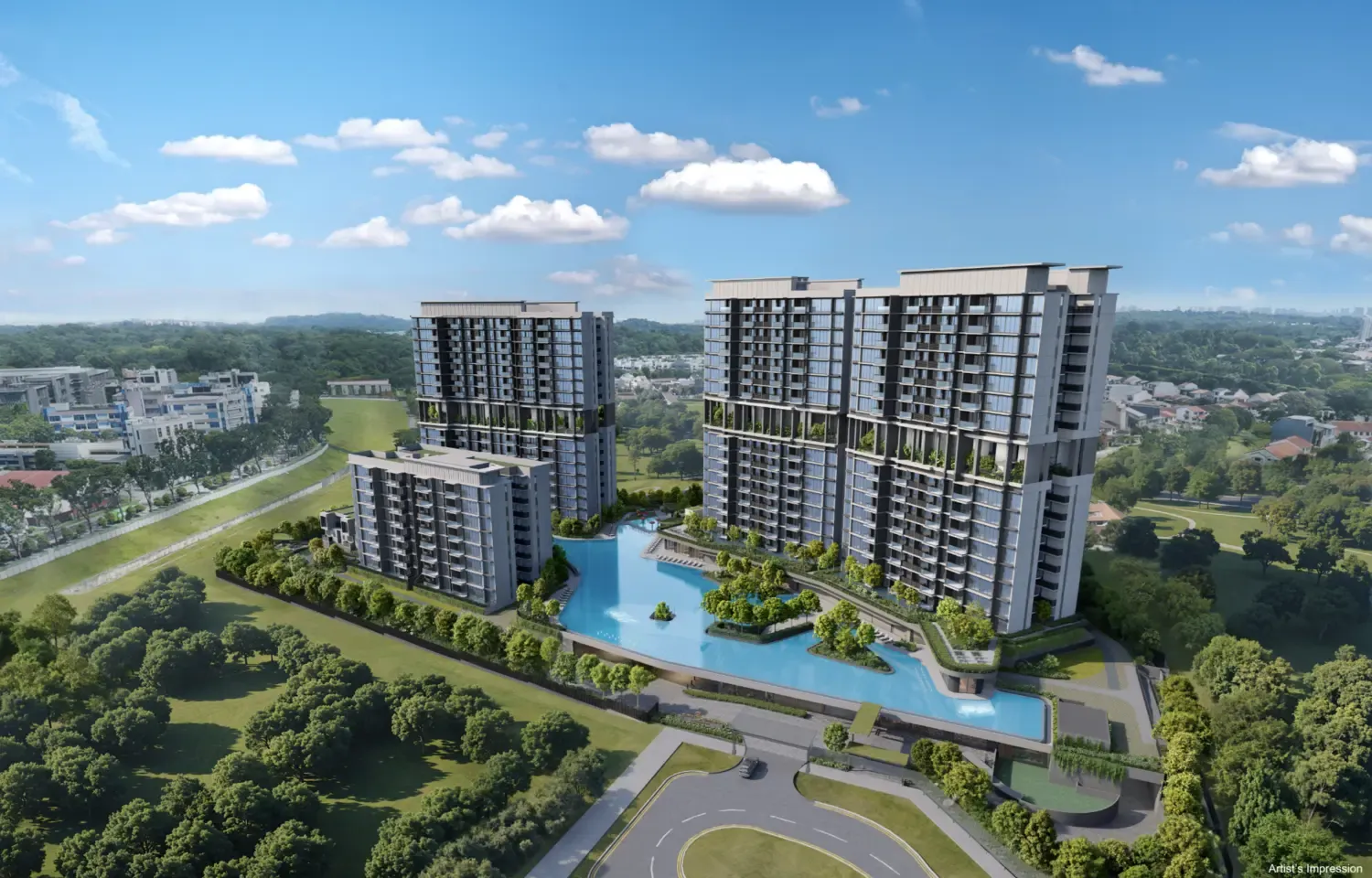
Buying a condominium represents a major financial commitment, making it essential to evaluate every detail before signing the contract. While interior layouts and smart home features often capture the most attention, the building facade determines the long-term value and durability of your investment. When visiting premium developments like Lucerne Grand, assessing the exterior quality helps you spot potential maintenance issues before they become costly headaches. A well-constructed exterior protects the structure from harsh weather elements and keeps the property looking fresh for decades. By focusing on a few key areas, you can easily separate superior construction from rushed, low-quality developments.
Evaluating the Durability of Cladding and Paint Work
The exterior walls bear the brunt of tropical weather, meaning the choice of cladding materials and paint quality is paramount. When inspecting a condominium, look closely at the external wall finishes. High-quality developments use premium weather-resistant acrylic paints or textured silicone coatings that resist dirt accumulation and mold growth. If the building features stone or metal cladding, examine the alignment of the panels. Look for uniform gap widths between panels and check whether the color tones remain consistent across the entire facade. Uneven shading or mismatched panels often indicate poor quality control during construction. Additionally, check for signs of efflorescence, which appear as white, powdery salt deposits on concrete or brick surfaces. This unsightly phenomenon indicates that water is leaching through the material, pointing to inadequate waterproofing. Tap on tiled exterior walls if accessible; a hollow sound suggests poor adhesive bonding, which could lead to falling tiles over time. Choosing a property with robust exterior finishes reduces future maintenance costs and preserves the aesthetic appeal of the estate.
Examining Window Frames and Glazing Standards
Windows and glass facades play a critical role in both the visual appeal and thermal performance of a modern condominium. High-quality window installations feature thick, powder-coated aluminum frames that resist corrosion and structural warping. When visiting a showroom or an actual unit, such as those at Thomson Reserve, observe how the window frames meet the concrete walls. There should be a neat, continuous bead of silicone sealant around the frame edges to prevent rainwater seepage. Check the glass itself for double-glazing or low-emissivity (Low-E) coatings, which minimize heat transfer and keep interior spaces cool. Poorly installed windows often suffer from draftiness, poor acoustic insulation, and water leaks during heavy downpours. Open and close the sliding glass doors to test the smoothness of the tracks. Heavy, double-glazed doors should glide effortlessly without grinding noises, indicating precise alignment and high-grade rollers. If the glass panels rattle in high winds or feel loose inside their tracks, the developer likely cut corners on hardware. Investing time in checking these window components ensures your home remains quiet, dry, and energy-efficient.
Assessing Architectural Integration and Landscaping Quality
A premium condominium exterior relies on the seamless integration of architectural elements and surrounding green spaces. When walking through a modern development like Lucerne Grand, pay attention to how the concrete structures blend with the natural landscape. High-quality projects feature thoughtful transition zones, such as covered walkways, green buffer walls, and elegant drop-off points that shelter residents from the elements. Examine the materials used for the common pathways and pool decks. Natural stone, slip-resistant granite, or high-grade composite timber decking are standard markers of luxury and durability. In contrast, cheap concrete pavers or poorly treated wood will crack, fade, and warp within a few years of exposure to sun and rain. Check the health and maturity of the planted vegetation. A developer committed to quality will invest in mature trees and complex, multi-tiered landscaping rather than sparse, low-maintenance shrubs. The drainage systems around these green areas must be discreet yet highly functional, preventing stagnant water from pooling near the building foundations. This careful attention to outdoor integration enhances the overall living experience and boosts resale value.
Inspecting Joint Sealants, Concrete Pours, and Drainage Systems
The finest details of construction quality often lie in the joints and water management systems. Walk around the perimeter of the building and inspect the expansion joints, which allow the concrete to expand and contract with temperature changes. These joints should be filled with flexible, high-grade elastomeric sealants that show no signs of cracking, peeling, or pulling away from the concrete edges. At developments like Thomson Reserve, look at the concrete surfaces for any signs of honeycombing or exposed steel reinforcement bars. Honeycombing occurs when concrete is not vibrated properly during the pouring process, leaving air pockets that weaken the structure. Furthermore, evaluate the design of the external drainage pipes and rain gutters. High-quality systems use concealed or neatly integrated downpipes made of durable, UV-resistant materials rather than cheap PVC pipes plastered haphazardly across the facade. Ensure that all balconies and open corridors slope gently toward their floor traps to prevent pooling water. Proper water shedding prevents damp patches on the exterior walls, which can ruin paint and lead to structural degradation.
Conclusion
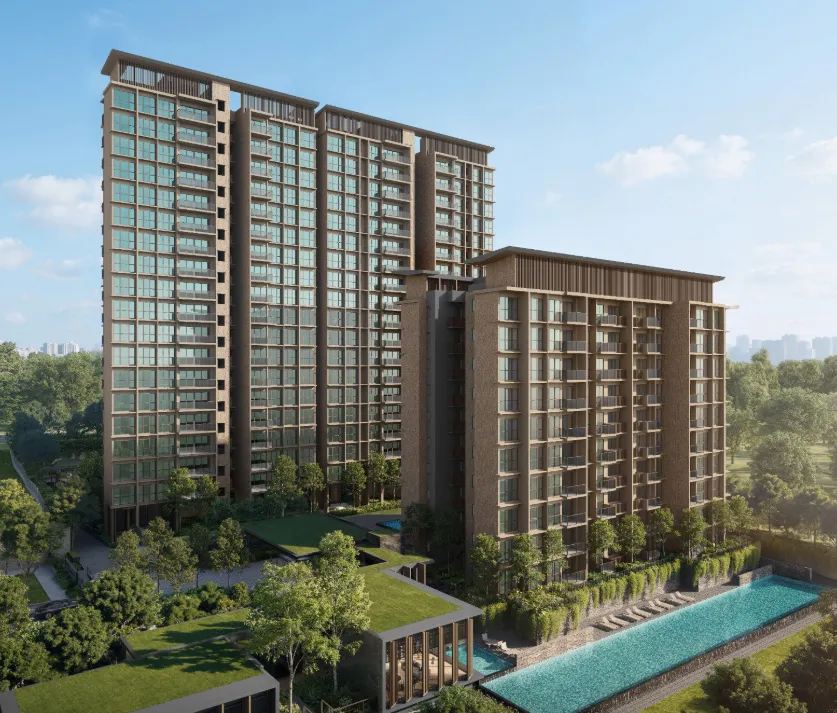
Judging the exterior quality of a condominium requires looking beyond initial aesthetic impressions to focus on materials, craftsmanship, and structural details. By carefully examining the cladding, window installations, architectural integration, and concrete finishes, you can make an informed purchasing decision that protects your financial future. Premium developments stand out because they prioritize durable materials and meticulous construction techniques that withstand the test of time. Taking the time to perform these simple exterior checks ensures your new home remains a safe, beautiful, and highly valuable asset for years to come.